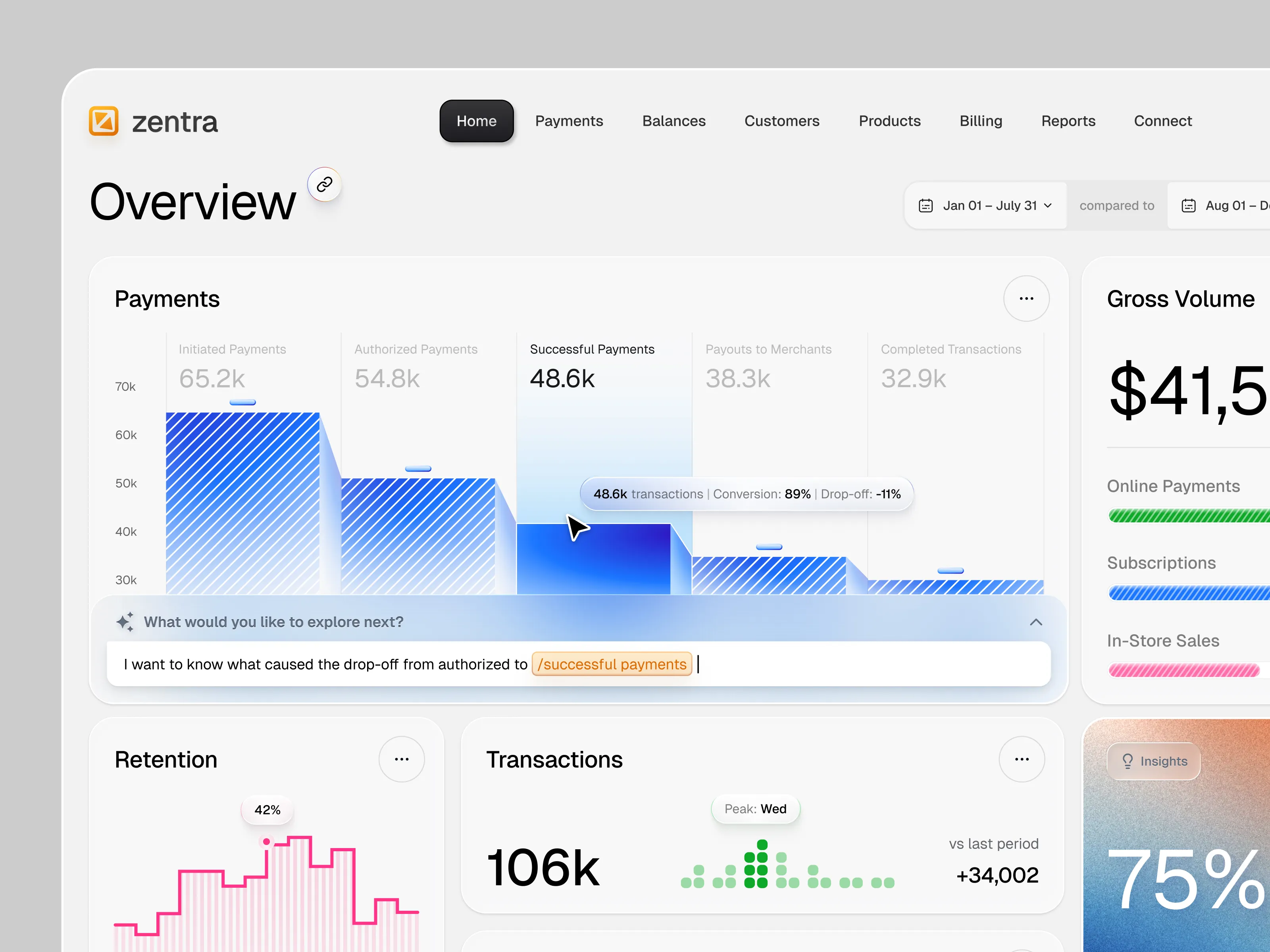
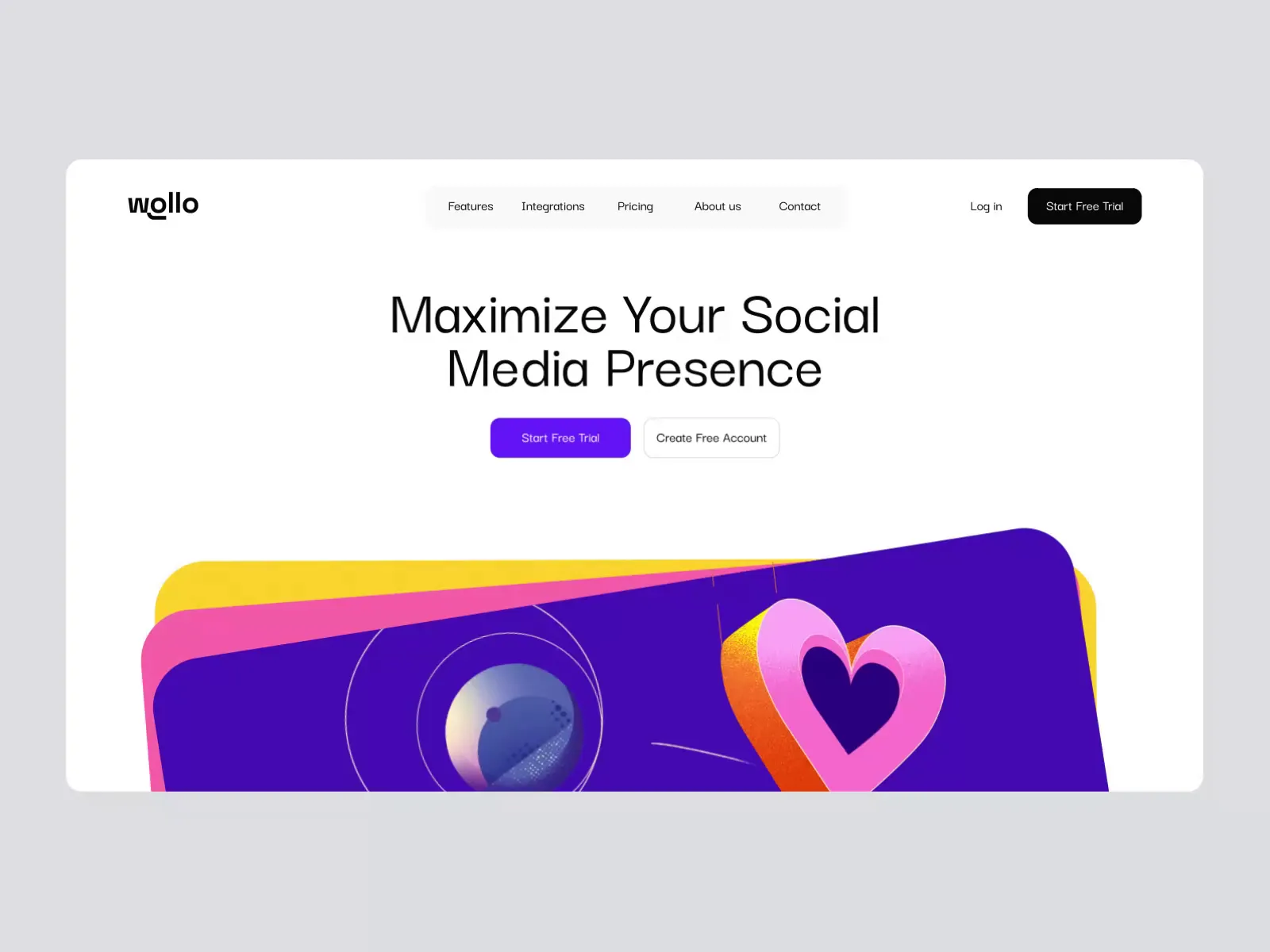
Creative fatigue is a drop in ad response after the same audience sees an ad too many times. Because offer, tracking, and delivery problems can look the same, a useful refresh starts with a diagnosis.
This guide shows how to confirm creative fatigue, choose the right refresh depth, and turn the findings into a focused production brief. Pair it with the creative testing guide to give each new treatment a clear purpose.

Scale creative without
adding headcount.
See how Studio works
Table of Contents
Key findings
- Treat a reported performance decline as a request for diagnosis before commissioning replacement creative.
- Distinguish a new concept, a new execution, and a placement adaptation in your brief.
- Choose a refresh scope that changes the suspected weakness while preserving the approved offer.
- Count review-ready concepts separately from the files needed to deploy them.
- Dribbble Studio matches briefs with vetted designers and manages scoped creative production. Your team chooses from a shortlist of 5 to 7 vetted designers and retains campaign direction and approvals.
When does a decline justify a creative refresh?
Refresh creative when the evidence points to a creative problem and the brief names a meaningful change. A fixed replacement schedule cannot explain why an ad weakened.
Typical signals of creative fatigue include rising frequency, a falling click-through rate, and a rising cost per result while targeting and budget stay stable. These signals justify a closer look. They do not prove the creative is the cause.
Ask the campaign owner for the comparison period, placement, audience context, and observed change. Ask what stayed stable. A tracking issue, changed offer, broken destination, or delivery change can make another shoot irrelevant.
The designer should receive a creative hypothesis, such as a product demonstration that is hard to follow. A request that says only “fatigue” leaves the team to invent both the diagnosis and the treatment.
Keep media-buying and measurement decisions with their owners. Design can improve the requested asset without claiming that a new visual will restore campaign performance.
|
Observed situation |
Evidence to request |
Creative action |
Hold the refresh if |
|---|---|---|---|
|
Weak response from launch |
Opening, offer, destination, and setup review |
Investigate the idea before ordering variations |
No explanation of the original weakness |
|
Decline after a stronger period |
Comparable periods and exposure context |
Prepare a challenger tied to a named weakness |
Unresolved tracking or delivery change |
|
Only one placement weakens |
Placement preview and format breakdown |
Recompose the affected placement |
No actual preview available |
|
Click response stable, later actions fall |
Landing-page and offer checks |
Keep the current creative available |
Post-click cause remains unresolved |
Quick check: ask whether a new asset would change the suspected cause. If the answer is unclear, return the request for a sharper question.

The Luxe layouts shift the balance between athlete photography, illustration, and typography from tile to tile. Each balance can anchor a distinct creative treatment. A product-led opening and an athlete-led opening belong in separate briefs. The shared blue-and-white system keeps the comparison focused on the opening itself, without assuming either treatment performs better.
What should change in the next creative?
Choose the refresh depth before assigning a designer. Changing a badge and replacing the entire product story require different inputs, review, and acceptance.
A concept changes the central idea, such as showing use instead of presenting ingredients. An execution changes how an existing idea appears. An adaptation fits an approved treatment to a placement or market.
In an example skincare campaign, one concept demonstrates application, another explains the product, and another shows a routine. Those are three proposed ideas. Their placement and market versions do not create additional concepts.
Keep the existing approved offer in the first brief unless the campaign owner also requests a message change. Otherwise, reviewers cannot tell whether the production request concerns design, commercial terms, or both.
|
Refresh depth |
What changes |
What stays fixed |
Acceptance question |
|---|---|---|---|
|
Opening change |
First visual or first spoken line |
Approved claim and core story |
Does the new opening introduce the intended idea? |
|
Execution change |
Composition, sequence, or visual treatment |
Concept and offer |
Is the changed element visible and deliberate? |
|
Concept change |
Reason to care or demonstration structure |
Approved product facts |
Does the work communicate a different idea? |
|
Adaptation |
Crop, typography, or market version |
Approved treatment |
Does the adaptation preserve the message? |
In the Lacto set, the oversized pack shot works differently from the portrait and character-led tiles. Swapping one approach for another changes the idea a viewer takes away, beyond the background color. Name the approach you want replaced so the designer knows which treatment the refresh targets. Keep unapproved product and health claims out of the adaptation request.
How many replacement assets do you need?
Count the approved concepts first, then multiply them by the offers, placements, and markets you plan to release. That keeps exploration separate from deployment.
Take the same example skincare campaign with three concepts, two offers, three placements, and two markets. Running every concept with both offers everywhere would require 3 × 2 × 3 × 2 = 36 exports. A narrower release plan reduces the actual deliverables.
Suppose the third concept is initially approved for only one offer in one market. The first two concepts require 2 × 2 × 3 × 2 = 24 exports. The limited third concept adds 1 × 1 × 3 × 1 = 3. The first handoff therefore contains 27 exports.
Do not produce the remaining nine files merely to make the folder look symmetrical. Record them as an optional expansion with its own approval trigger.
|
Creative family |
Approved offers |
Approved markets |
Deployment files (offers × placements × markets) |
|---|---|---|---|
|
Application demonstration |
2 |
2 |
2 × 3 × 2 = 12 |
|
Product explanation |
2 |
2 |
2 × 3 × 2 = 12 |
|
Routine concept, first release |
1 |
1 |
1 × 3 × 1 = 3 |
|
Total first handoff |
Varies by concept |
Varies by concept |
27 |
|
Possible later expansion |
Remaining combinations |
Subject to approval |
9 additional exports |
How this works with Dribbble Studio: define the campaign’s formats and revision rounds before production. Each campaign then has a fixed price for that scope. Your team retains the creative hypothesis, offer approval, and final acceptance.

Happi Loop’s grid contains portrait, packaging, and text-led treatments within one visual family. A refresh brief can identify which treatment needs replacement without discarding the entire system. Keep the unchanged tiles available as references during review. Count new ideas by treatment, since extra tiles can repeat the same idea.
How do you turn a diagnosis into a usable brief?
Write a change record that names the existing asset, proposed change, fixed elements, and acceptance evidence. This gives the designer a finite task.
Use a specific source revision instead of “the latest ad.” Attach the approved copy and destination beside that revision. If the request changes product footage, identify the replacement shot and its usage approval.
The review should compare the control and challenger side by side. Ask whether the commissioned difference survived the crop, market adaptation, and export. A changed treatment can disappear when every version is forced through the same template.
For the skincare demonstration, keep the product label readable and preserve the approved instruction. Changing the opening must not introduce a new usage claim. Your market reviewer decides whether the resulting message is acceptable.
|
Brief field |
Filled example |
Designer’s task |
Reviewer’s evidence |
|---|---|---|---|
|
Source |
Application concept, v03 |
Use the approved source revision |
Source link and dated proof |
|
Change |
Show application before the pack shot |
Resequence the opening |
Control/challenger comparison |
|
Fixed elements |
Offer, product facts, destination |
Preserve supplied content |
Copy and destination match |
|
Scope |
One concept; approved 12-file deployment |
Adapt only after master acceptance |
Version checklist |
|
Release gate |
Local approval for both markets |
Hold unapproved versions |
Recorded final sign-off |
Common mistake: requesting “more variety” after approving a master. Name the new treatment and decide whether it belongs in the current campaign scope.
How do you keep replacement creative ready?
Track the queue by readiness state. A concept without approved copy is not ready for production, and an export awaiting market review is not ready to launch.
For the 27-file handoff, first review three concept proofs. Expand the accepted proofs into their approved deployment combinations. Review the versions as a batch with a named acceptance checklist.
Keep a distinction between a reserve idea and a finished reserve package. An unedited source file cannot replace a live video immediately. A finished package still needs its destination, release period, and rights checked.
Use a readiness ledger to expose the actual constraint. If accepted designs wait for translation or approval, adding another designer will not finish the missing decision.
|
Queue state |
Example item |
Missing input |
Next action |
|---|---|---|---|
|
Idea ready |
Routine concept |
Approved treatment |
Creative lead accepts direction |
|
Master in review |
Application v04 |
Decision on opening |
Compare with the commissioned change |
|
Adaptation ready |
Accepted product master |
Approved local copy |
Produce booked versions |
|
Release held |
French portrait export |
Offer end-date approval |
Market owner confirms date |
|
Reserve ready |
Accepted replacement package |
Current release check |
Reconfirm before activation |

Janna Hagan’s orange campaign family contains several layouts that share typography and color. A refresh can preserve those anchors while changing the image or message hierarchy. Specify which layer changes so the reviewer can see the commissioned difference. If only the image changes inside the same palette, viewers may still read it as the same ad. State what they should notice first.
What goes wrong when refresh work becomes a quota?
A file quota can reward activity while leaving the campaign’s creative question unanswered. Review the decisions behind the batch as closely as the export count.
First failure: the team commissions twelve resized files and labels them twelve new concepts. Reviewers expect new ideas and receive adaptations. Correct the brief by recording concepts, executions, and deliverables in separate fields.
Second failure: the team changes the headline, footage, offer, and destination together. A better or worse result cannot isolate the design change. Keep the campaign owner’s measurement plan attached to the production brief.
Third failure: a reserve package uses last month’s promotion. The design is finished, but the commercial message is expired. Require a release check before moving reserve work into the active handoff.
Capacity decisions should follow the blocked work. Add production support when complete, approved briefs are waiting for design. Fix review or input ownership when the queue consists mainly of unresolved decisions.

Kate Zest’s two Story treatments use different framing while preserving a restrained identity. That makes them useful references for an execution change inside a stable campaign system. A brief should name whether the change concerns the photograph, crop, or text area. For motion Stories, also brief the opening frame and reading time, since stills cannot show either.
Budget-owner takeaway: measure a refresh program by the accepted ideas and deployable versions it delivers. An export count on its own says little about progress. Separate diagnosis, concept approval, adaptation, and release so each request has a clear finish.
Before launch, plan how each challenger will be compared in your creative testing setup. For campaigns that assemble assets automatically, read the dynamic creative guide alongside this one.
When your refresh brief and approved deployment matrix are ready, bring them to Dribbble Studio’s managed creative services. The monthly program fee covers the management layer, including delivery and quality control.
FAQs
What is creative fatigue?
Creative fatigue is a decline in ad response after people see the same ad repeatedly. Rising frequency paired with a falling click-through rate is a common signal. The pattern needs to be separated from offer, measurement, delivery, and destination problems. A calendar alone cannot confirm it.
How often should you refresh ad creative?
Use the campaign owner’s evidence and the production lead time to plan replacements. There is no universal interval that fits every audience, offer, and placement. Prepare a specific brief before requesting another batch.
Is a new color or crop enough?
A color or crop changes the execution. Whether that change addresses the campaign’s question depends on the suspected weakness. Count it as an adaptation or execution change unless the central idea also changes.
How many creative variants should you produce?
Start with the decisions you need to make and the ideas you can review. Then count the placements, offers, and markets approved for deployment. Keep the concept count separate from the export count.
Can new creative fix every performance decline?
New creative addresses a creative problem. It cannot repair a broken destination, incorrect offer, or measurement issue by itself. Those checks belong in the diagnosis before production begins.