In this sponsored guide written by our friends at Domain.ME, learn how to define your personal brand and the must-have elements needed to successfully showcase it online. ■
As a designer, your personal brand should be embodied in your website. Even if web design isn’t your tool of the trade per se, as a designer your website is definitely your showroom—which means it should be thoughtfully crafted. Below, we’re sharing the most important components of your personal brand that should be present on your website. But first things first, let’s start by defining your personal brand.

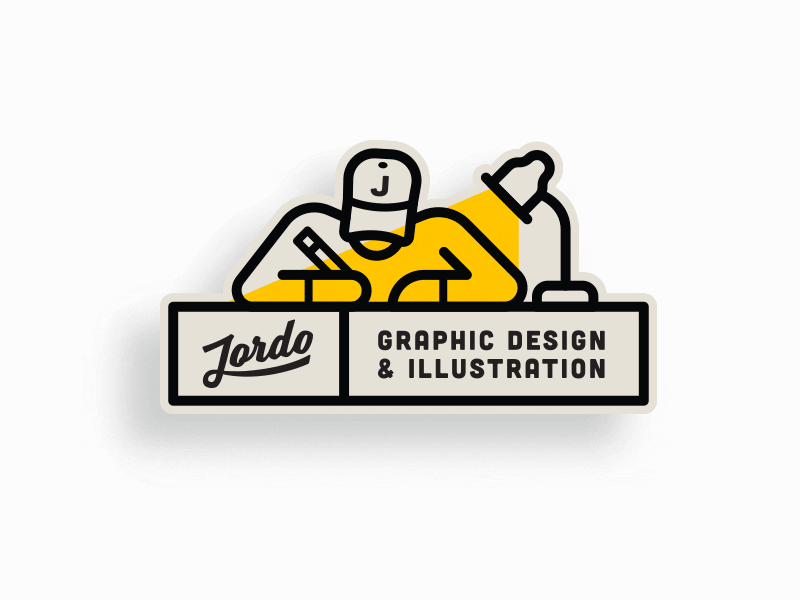
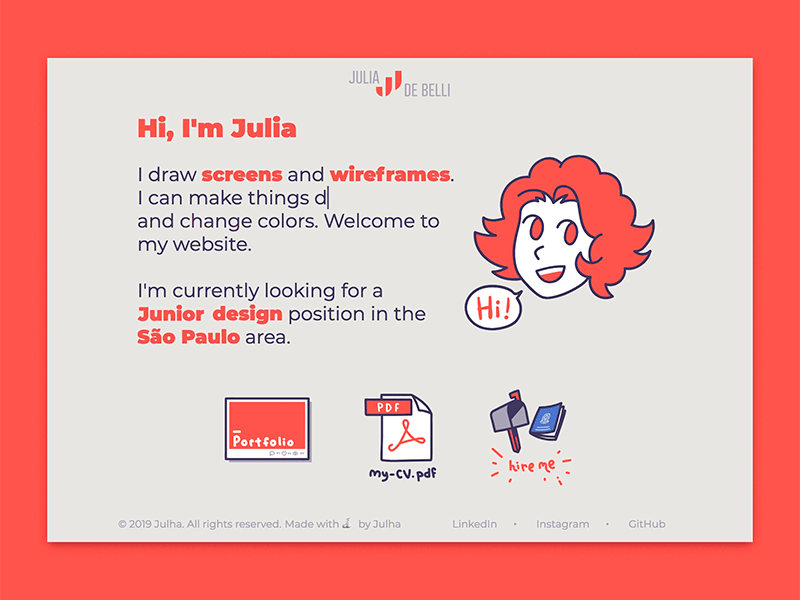
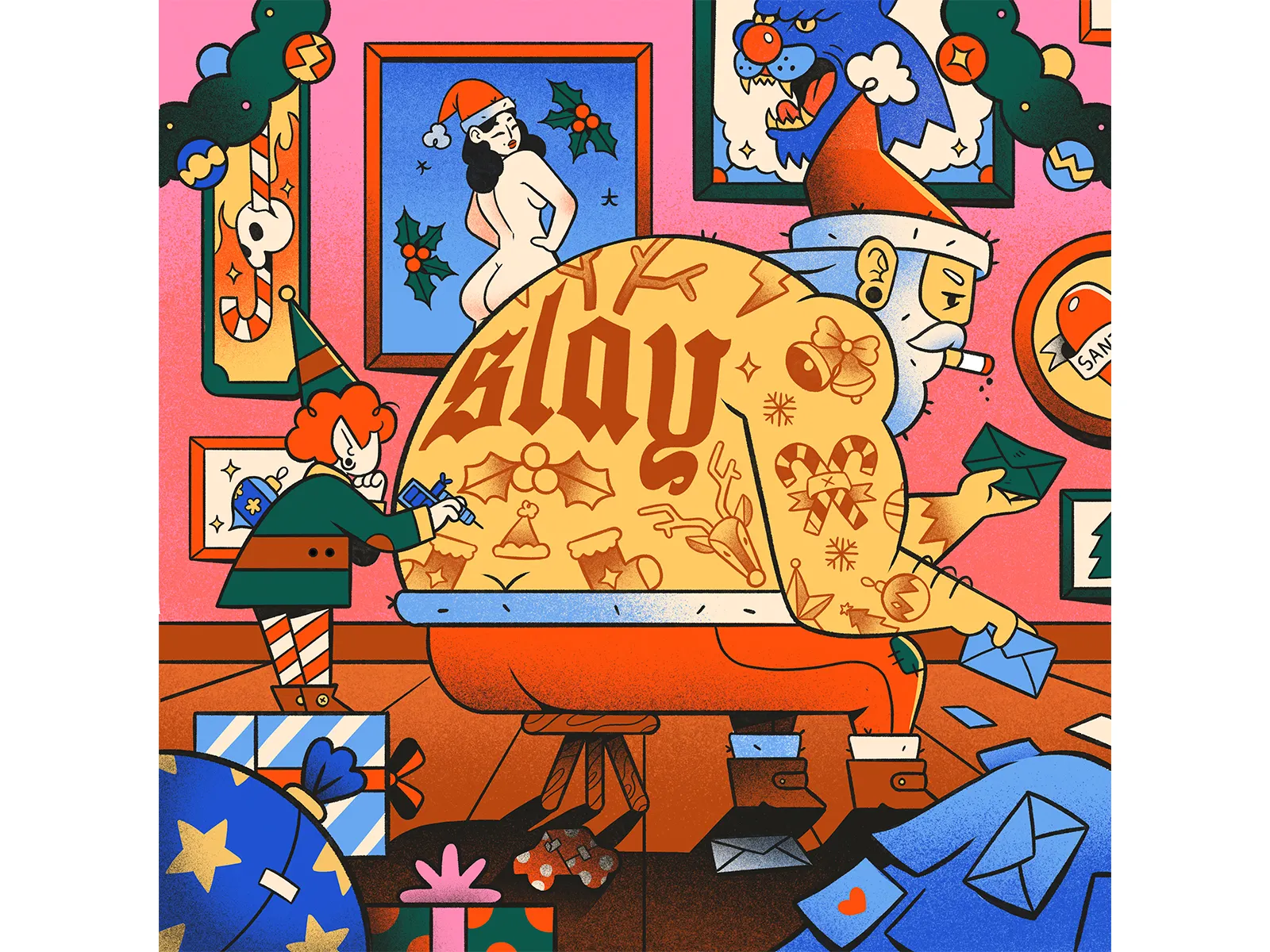
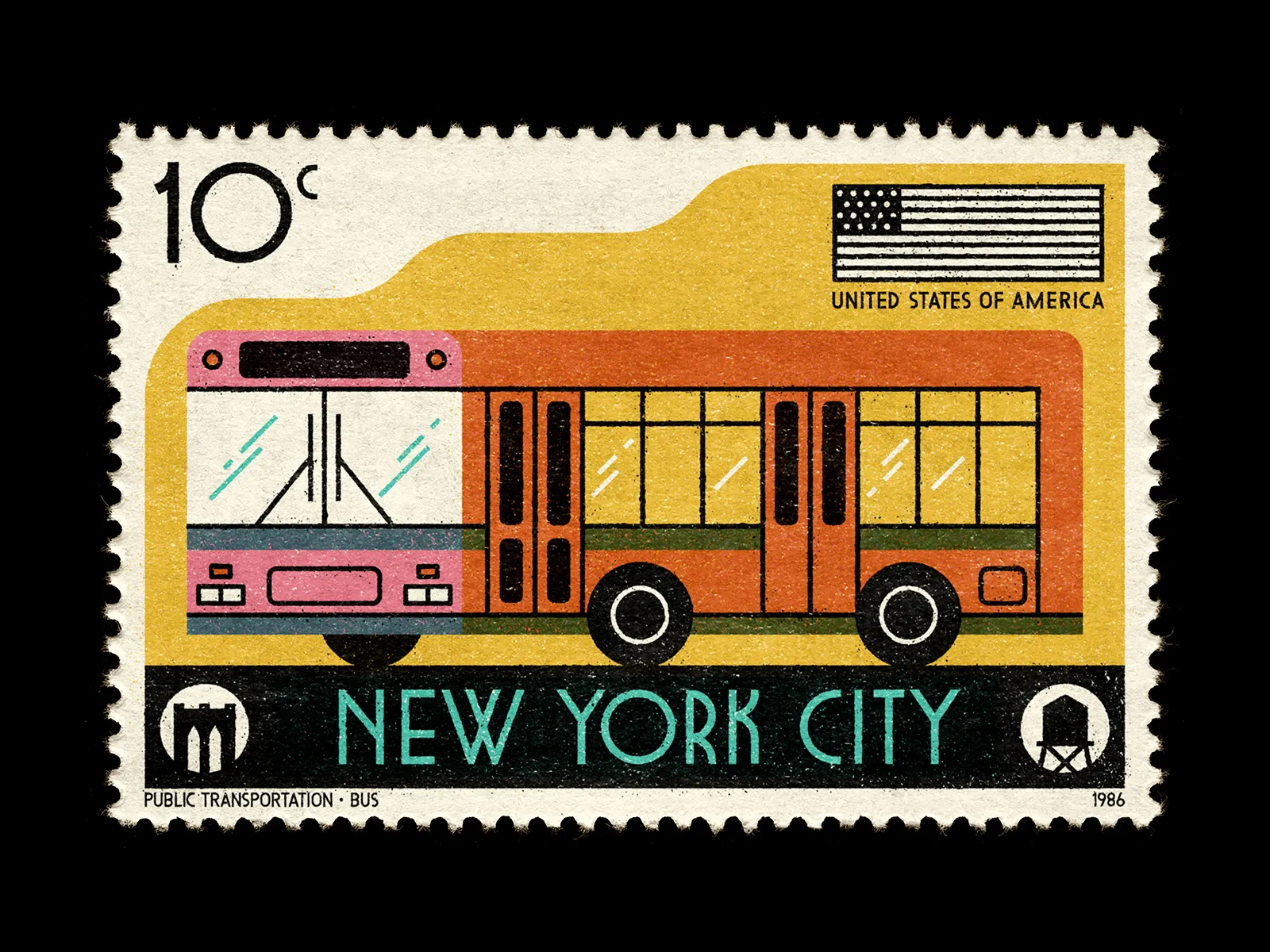
Row 1: Ty Fortune, Jordan Kabalka, Julia de Belli.
First things first: Define your personal brand
We are firm believers that personal experiences hold immense value, so we’ve spoken to three designers who are keen Dribbblers and also a part of our .ME community.
We asked them to define their personal brand, tell us about their beginnings, mistakes, and how to build a brand that not only draws attention to yourself and your work, but also does so much more. Because let’s be honest—creating a powerful personal brand can make the difference between going completely unnoticed and landing that job you’ve been dreaming about.
✔️ Target the audience you want to work with
Ognjen from Keemun.me: “You should observe your personal brand as your ID card. If you want someone to know you more through your work, then it’s time to create a brand for yourself. Take me for example: I want my brand to be seen as a young, funky, supportive brand that deals with serious questions in a fun and exciting way.
Your brand can be a really fun way to show everyone else why your voice matters. You can be whatever you choose to be. Keep in mind that by creating your brand image you can always target the specific people you want to work with. That way you’ll avoid all the hardships of finding the right audience since the right people will come to you.”
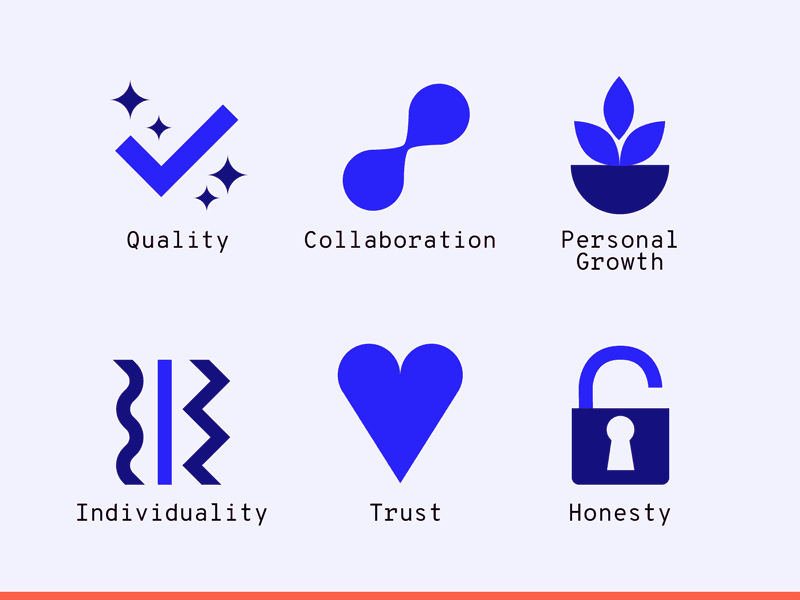
✔️ Determine your core values
Kadir from uix.me: “My personal brand is my bread and butter. It’s short, memorable, and it’s all about me. My brand has two values that are extremely important to me:
- Happy customer & happy designer: I never leave my customers questioning their choice in choosing to work with me. At the same time, I make sure that I’m also interested in working together and that we float well together. It’s normal to have clients that you won’t really get along with, but what’s even more important is that the work you do is enjoyable. Otherwise, the quality is going to suffer and if the quality suffers, your name is going to suffer. If your reputation is bad you are pretty much in a bad spot to continue your career in a healthy way.
- Quality, not Quantity. I’d rather do one big project and three side projects instead of two big projects and a side project. It’s important to stay focused and on topic for me. I couldn’t handle working on big projects (on my own) without the work or my mental health suffering. Now in an agency environment, I usually just do the Key Designs and pass over the work and get into the role of the Art-Director to manage the work (which is pretty much just pushing designs based on the key designs).”
✔️ Stay true to yourself
Nash from nashvail.me: “Personally, I don’t pay much heed to the personal brand. It may be because I’m not and haven’t been a full-time freelancer. Therefore, sliding into the minds of design agencies and clients hasn’t been a top priority.
That being said, even though I don’t have first-hand experience with a personal brand opening doors for me, I do believe it is important. Many creatives I follow have a personal brand, and the best thing about the ones I like most is that they are authentic. This means, they don’t have to actively “maintain” a brand, they do awesome work and just be themselves.
That being said, if I ever find myself with a check-list of items to improve my personal brand, that’ll mean I am not staying true to my authentic self. In such a case I’d seriously start doubting my life and career decisions.”

The 6 ingredients of a successful personal brand
Now that you’ve defined who you are as a creative professional, it’s time to put your personal brand to work. Below are six important components in crafting a personal brand that will set you and your career up for success.
1. Your Story
Who doesn’t love a good story? If told well, it creates an emotional and human connection that will leave a lasting impact on your audience. As such, storytelling is a powerful component of every personal brand and it should be the core of your brand. Think of what has propelled you on a path of becoming a designer. Use that as a basis of your brand story.
“Come to think of it, I believe the influence of my father who is a painter and my brother who is a designer has wired me from an early age to pay attention to design more than my peers did. I remember having this constant stream of thought that I wanted to express somehow, and the idea of giving life to that idea through design felt amazing. So I’d grab a pen and paper and get to work what can only be described as branding.” — Ognjen from Keemun.me
2. Authenticity
Your story is unique. All you have to do is to accentuate the features that make your brand authentic. But remember: authenticity cannot be forced. So, study your approach, your vision, your drive, and integrate it into your work.
One more thing: it would be silly to walk down a crowded street shouting you are authentic. We recommend steering clear of that in the online realm too. Let others recognize the authenticity in you without it feeling forced.
“It can be hard to find what makes you authentic as opposed to the rest. I think that authenticity is something that is a part of your design process. I tend to ask a lot of questions, in order to understand the problem. The research process is where I seek to find the best suitable solution, not as a designer would see it, but rather as someone who needs that particular design solution. At the same time, I believe that we can only contribute to the solution if we truly believe in the project in the first place.” — Ognjen from Keemun.me

3. Consistency
If there’s one thing that pays off it’s hard work. But hard work without consistency in its approach will appear scattered and unfocused. You don’t want to come across as someone who has no direction. So keep your presence consistent across all online and offline platforms. You can achieve a consistent brand image by sticking with:
- The same logo and name
- Specific colour schemes and typography
- The same messaging or words used throughout your website, social media bios, and even posts.
“If your website has goals, your design should definitely align with them. If you’re out to get clients, put up your best work, make your email or Hire Me CTA bold and big. Building an audience for your newsletter? Keep the sign-up button clearly visible etc. Although, if I were to be asked this at the point of a water gun, I’d say don’t treat your about page as secondary. I have seen so many websites with just an image and a paragraph. There’s room for so much, make full use of it.” — Nash from nashvail.me
4. Start with ‘why?’
You’ve found your story, established your authenticity through your work, and kept the branding consistent. Now, comes the hard question—what can you offer to your audience? In other words why do you do what you do? Think of it in terms of your purpose, your cause, and your belief.
The answer to this question should not be longer than one sentence. Should you need more inspiration, check out Simon Sinek’s ‘Start With Why’ TED Talk.
“My brand philosophy has always been to perceive my design work as a support act. This is because I firmly believe that when you work for someone, you support their idea. When it comes to me, I want to support everyone who wants to make a difference in this noisy world. That includes anyone ready to think of their customers as their audience, clients as their partners, and competition as motivators. Therefore, I’m not willing to waste my time on an idea I do not believe in.” — Ognjen from Keemun.me
5. Visibility
‘Being on the radar’ is an important component of a personal brand. It’s up to you to figure out how you want to promote your brand. You can choose to advertise your work through social media, use your connections, or resort to the old fashioned word of mouth. Whatever you choose, make sure you present your brand in the best possible light, by doing your best work, and choosing clients and the type of work you do.
“Word of mouth is your best tool to grow. My whole career is based pretty much on two small initial clients who had great connections, who then had great connections as well. If you can get the snowball rolling you’ll be in a good situation.” — Kadir from uix.me
6. Your personal website
We’ve already mentioned that your personal brand should be embodied in your personal website. But what we didn’t tell you is what you probably already know: having a personal website is a sign that you are professional and take your brand image seriously.
If you’re still of the mentality that it’s hard to create a website, you’ll be happy to know that it’s as easy as pie. Not having coding skills is not a valid excuse any more!
“If you haven’t been paying attention it’s 2020. The Internet is the new gold mine, of everything. People are extracting money, information, connections, and even love out of it. If you don’t have a personal space for yourself online, it’s like being digitally homeless. I have always treated my website as a side project for testing out new ideas in writing, design, and Illustration. If you let it, your personal website can house your entire personality. It’s a great way to share your uniqueness.” — Nash from nashvail.me

Before you go
You heard the words of the wise—be your authentic self. In this competitive, noisy world, it’s up to us to discover what we stand for and then pursue it—professionally speaking too. Don’t be afraid to show your flaws and the progress you’ve made, but put your best foot forward. Lastly, remember that your personal website is the window to your designer soul, so embellish it with you. And what better way to do so than with a domain name that’s short, simple, and sounds personal?
About the author: Natasa Djukanovic is the CMO of Domain.ME, the international tech company that operates the internet domain “.ME.” She has spent her entire career at the intersection of social media, leadership, and technology, and is constantly trying to figure out the secret to being in three different places at the same time.
RELATED READING
- How to make your personal brand stand out online
- 4 personal website ideas for designers and why they work
- How to boost your online presence as a designer in 3 simple steps
Find more Process stories on our blog Courtside. Have a suggestion? Contact stories@dribbble.com.