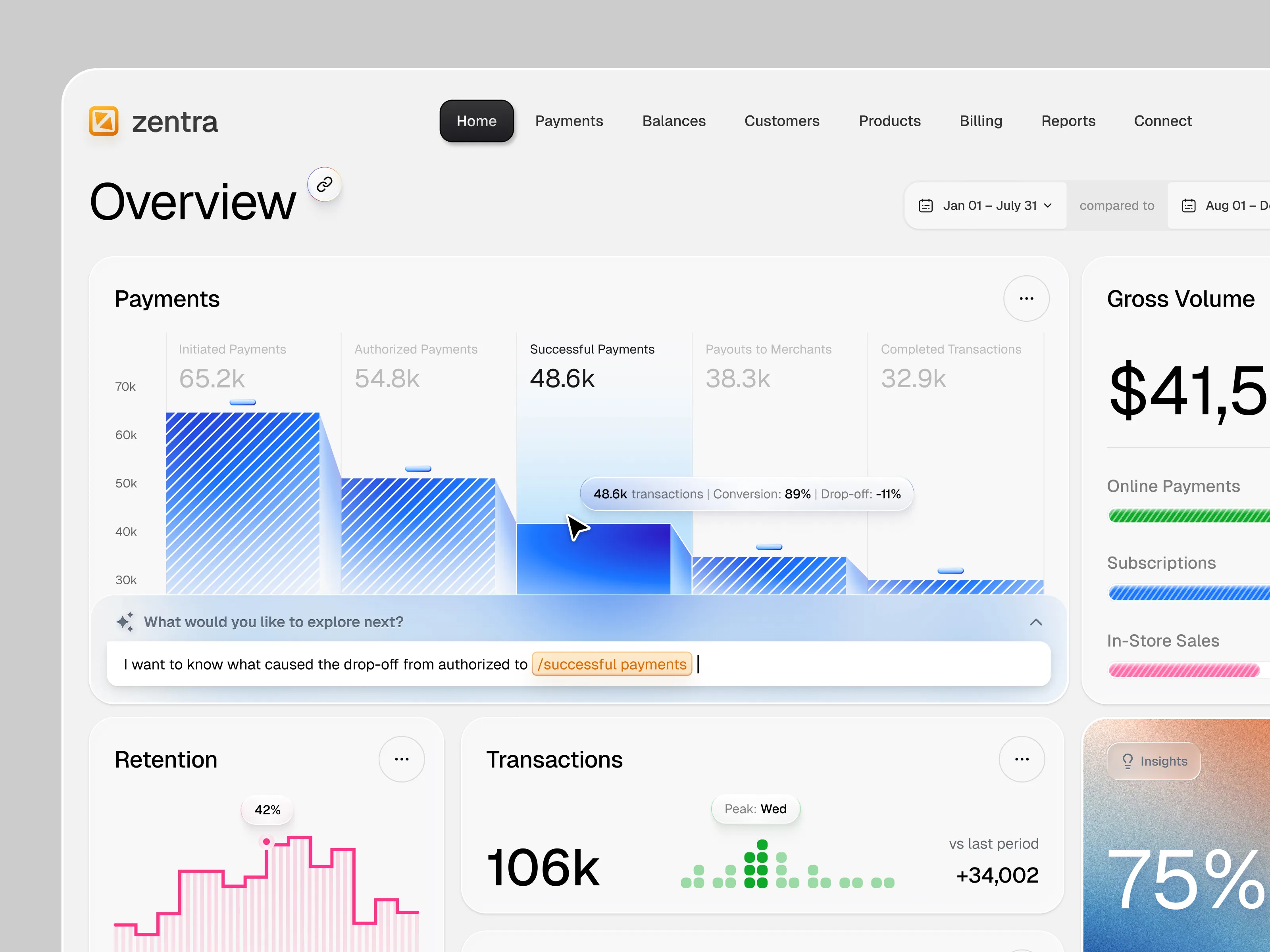
About this Service
UITOP develops frontend interfaces for complex B2B web applications where product behavior depends on large datasets, multiple user roles, workflow states, permissions, APIs, and reusable component systems.
We work with SaaS and enterprise product teams that already have a product, backend, API layer, approved designs, or an existing frontend codebase and need a focused implementation team for the user-facing application.
The work starts with the current product and technical context. We review the existing frontend architecture, component patterns, design system, application states, data flows, APIs, permissions, responsive behavior, and the workflows included in the selected scope.
From there, we implement the frontend around the actual product behavior. A data-heavy screen may need large tables, filtering, search, forms, validation, loading and error states, role-specific actions, background data updates, side panels, dashboards, or record relationships that span several product areas.
For an existing application, UITOP works with the code and patterns already in use where they fit the product. New components and interaction patterns are added when the current frontend does not support the required workflow.
UITOP can work across frontend architecture, React and TypeScript implementation, reusable components, state management, API integration, responsive behavior, frontend performance, QA, and continued product development within the agreed scope.
What You Get
Frontend technical and product-context review
Existing codebase and component-architecture review
Approved design and Figma implementation review
React and TypeScript frontend development
Reusable component implementation
Design-system implementation and extension
State-management implementation
API integration
Authentication and permission-aware interface states
Data-heavy tables, filters, search, and sorting
Complex forms and validation
Dashboards and operational workspaces
Record detail views and side panels
Loading, empty, error, pending, disabled, permission, and exception states
Responsive desktop and tablet behavior
Mobile-responsive states where required
Large-dataset and frontend-performance work
Pagination and virtualization where required
Background and frequently refreshed data states
Accessibility implementation within the agreed scope
Functional frontend QA
Regression checks for affected workflows
Engineering documentation and implementation context
Continued frontend development where included in scope
Frontend Areas We Work With
Depending on the product, the frontend scope can include:
B2B SaaS applications
Enterprise web software
Operational platforms
Data-heavy dashboards
ERP and CRM interfaces
Logistics and warehouse products
Inventory-management interfaces
Admin and internal tools
Customer and partner portals
Multi-role applications
Reporting and analytics products
Workflow-management software
Maps and location-based interfaces
Existing products implementing a redesign
New modules inside an established application
AI-assisted and AI-enabled product interfaces
What Complex Frontend Development Needs to Define
Existing Product Architecture
The implementation needs to fit the application that already exists. We review routing, component organization, shared utilities, state patterns, styling approach, API access, permissions, and the frontend areas affected by the new scope.
Component System
Reusable components need clear responsibilities, variants, states, and relationships with the design system. Existing components can be extended where they still support the required behavior.
Product States
The frontend needs explicit behavior for loading, empty data, errors, permissions, validation, pending operations, disabled actions, exceptions, and other states users encounter during the workflow.
Data & API Behavior
Each screen depends on data arriving from the backend. We define how the interface handles requests, responses, pagination, filtering, updates, failures, and state changes across the selected workflow.
Roles & Permissions
Different users may see the same records with different actions or access scopes. Frontend behavior needs to reflect those rules consistently across navigation, controls, record views, forms, and workflow states.
Performance
Large datasets, interactive tables, maps, frequently refreshed records, dashboards, and complex forms may require dedicated frontend-performance work. The implementation approach depends on the actual product behavior and data volume.
Responsive Behavior
Complex web applications often need more than a compressed desktop layout. We define which information remains visible, which actions move, how tables adapt, and how product states behave across supported viewport sizes.
Who This Is For
This service is a good fit for:
CTOs and Heads of Engineering who need additional frontend capacity
Product teams with approved Figma designs ready for implementation
SaaS companies implementing a product redesign
Existing B2B applications adding a major frontend module
Engineering teams working with React and TypeScript
Products with complex tables, forms, dashboards, or operational workflows
Teams that need frontend work inside an established codebase
Products connecting a new UI to existing backend APIs
Companies consolidating inconsistent frontend components into a shared system
B2B products adding more roles, permissions, states, or responsive behavior
Teams that need design and frontend engineering to stay aligned during implementation
How We Work
1. Product & Frontend Context
We review the selected workflows, approved designs, existing codebase, frontend architecture, component system, APIs, technical constraints, and supported devices.
2. Implementation Scope
The team defines which screens, workflows, states, components, API connections, and responsive behaviors belong to the selected development phase.
3. Component & State Mapping
We connect the approved designs to existing frontend components and identify new variants, components, interaction states, and shared patterns required by the implementation.
4. Frontend Development
UITOP implements the selected scope across React components, TypeScript logic, state management, API connections, forms, tables, responsive behavior, and product states.
5. Product & Engineering Review
The team reviews implemented behavior against the approved product logic, designs, API responses, permissions, and workflow requirements.
6. QA & Regression Testing
We test the affected workflows, supported roles, product states, responsive behavior, API interactions, and frontend regressions included in scope.
7. Delivery & Continued Development
The approved frontend scope is prepared for release. UITOP can continue with additional modules, frontend modernization, product changes, or engineering support.
What You Can Expect
Frontend Work Built Around Product Logic
Components and screens are implemented with the workflows, records, roles, and states they support in mind.
Existing-Codebase Context
For live products, the team reviews the current architecture and established patterns before changing the selected frontend area.
Reusable Component Structure
Shared components, states, and interface patterns are organized so related product areas can use the same implementation logic.
Design-to-Code Alignment
Approved Figma components, responsive behavior, product states, and interaction rules remain part of the implementation context during development.
Data-Heavy Product Support
Large tables, filtering, search, dashboards, maps, record relationships, and frequently changing operational states receive dedicated frontend consideration when they belong to the product.
API-Aware Interface States
Loading, errors, permissions, delayed responses, empty data, and changing records are implemented as part of the workflow behavior.
Direct Design & Engineering Collaboration
UITOP product designers and frontend developers can review the same implementation against the product logic and approved design decisions.
Technology
Technology depends on the existing product and implementation requirements.
UITOP frontend development work includes:
React
TypeScript
Vite
Tailwind CSS
Material UI
Zustand
REST APIs
Google Maps API
Responsive web interfaces
Component-based frontend architecture
Automated testing and QA workflows
For an existing web application, UITOP can work within the established frontend environment where it fits the agreed project scope.
Experience With Complex Frontend Applications
UITOP designed and developed LogiCore, a logistics and warehouse web application for shipment tracking, warehouse operations, and multi-location inventory.
Its frontend uses React, TypeScript, Vite, Tailwind, and Zustand. The implementation includes large operational tables, server-side pagination, row virtualization, lazy-loaded warehouse data, frequently refreshed shipment states, filters, dashboards, and multi-location inventory workflows.
UITOP also works on the development of Activate OS, a live construction fleet-management platform.
The frontend work includes modular React architecture, reusable map components, large fleet datasets, role-based product behavior, integrations, and continued development inside an established product.
These projects give UITOP direct frontend-development proof for B2B products where interface behavior depends on operational data, reusable component systems, frontend state, APIs, and existing product architecture.
Scope & Pricing Context
The listed price represents a focused frontend development phase around an agreed set of workflows or product modules.
Final scope depends on:
number of screens and workflows;
existing frontend architecture;
component and design-system maturity;
state-management complexity;
number of user roles;
permissions;
API readiness;
data volume;
responsive requirements;
frontend-performance requirements;
accessibility requirements;
existing technical debt;
QA and regression scope.
Larger frontend implementations can be planned as sequential development phases.
Need frontend development for a complex web application?
Share your product, Figma designs, current frontend stack, and the workflows you need to implement, and we can define the frontend development scope around the existing codebase, components, data, states, and API requirements.