
About this Service
User Research:
Understanding the target audience, their needs, behaviors, and preferences.
Conducting surveys, interviews, and usability testing to gather relevant data.
Wireframing:
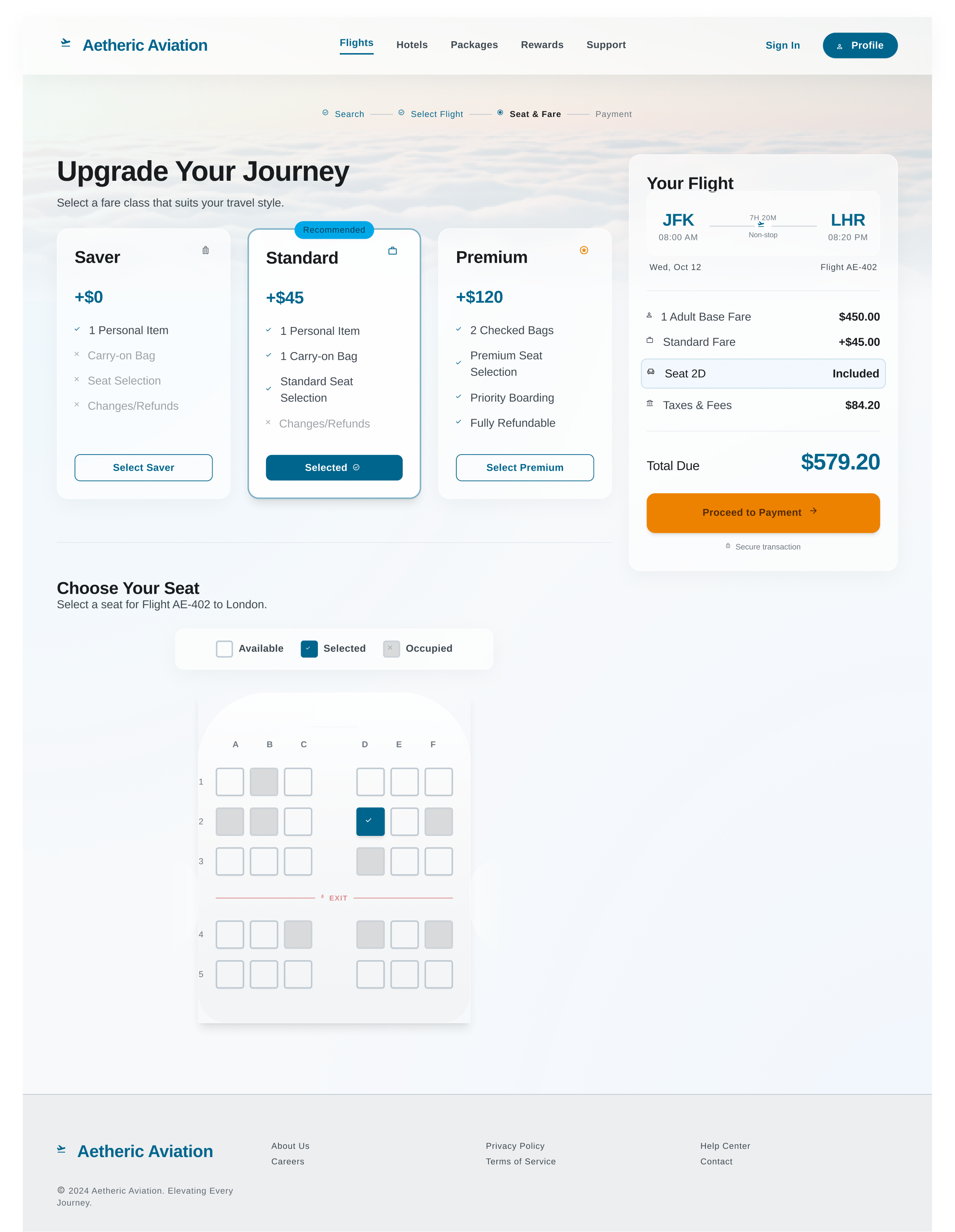
Creating low-fidelity sketches or wireframes to outline the structure and layout of the user interface.
Defining the placement of elements, navigation flow, and overall information architecture.
Prototyping:
Developing interactive prototypes that allow stakeholders to experience the flow and functionality of the product.
Iterating on prototypes based on feedback to refine the user experience.
Visual Design:
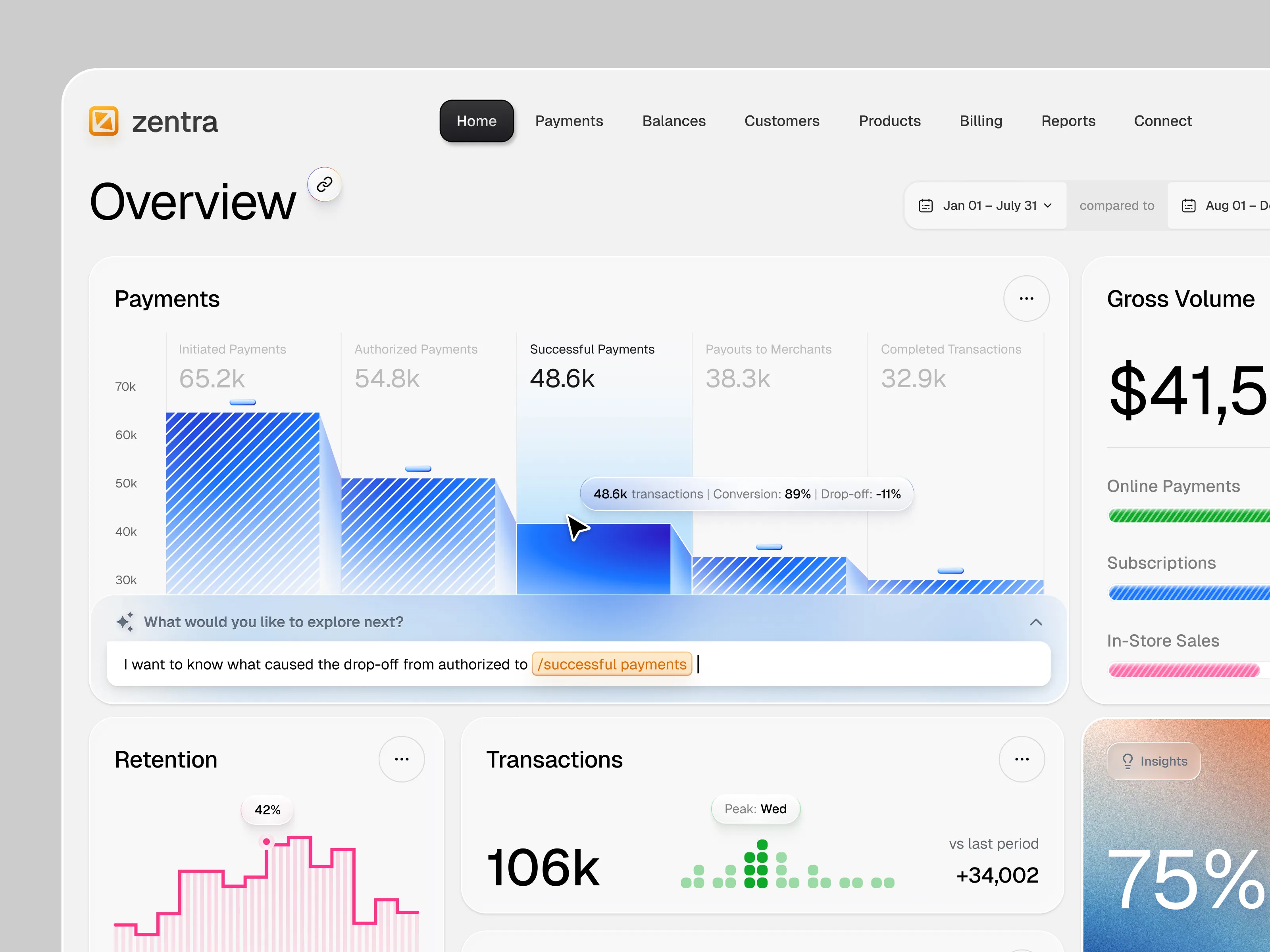
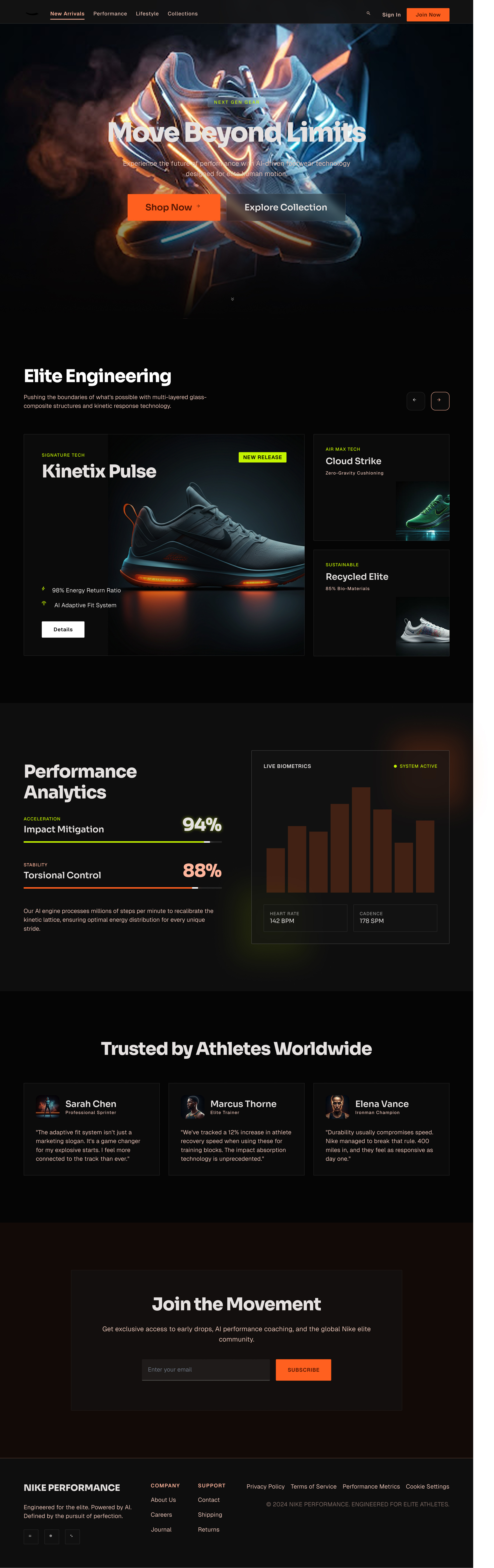
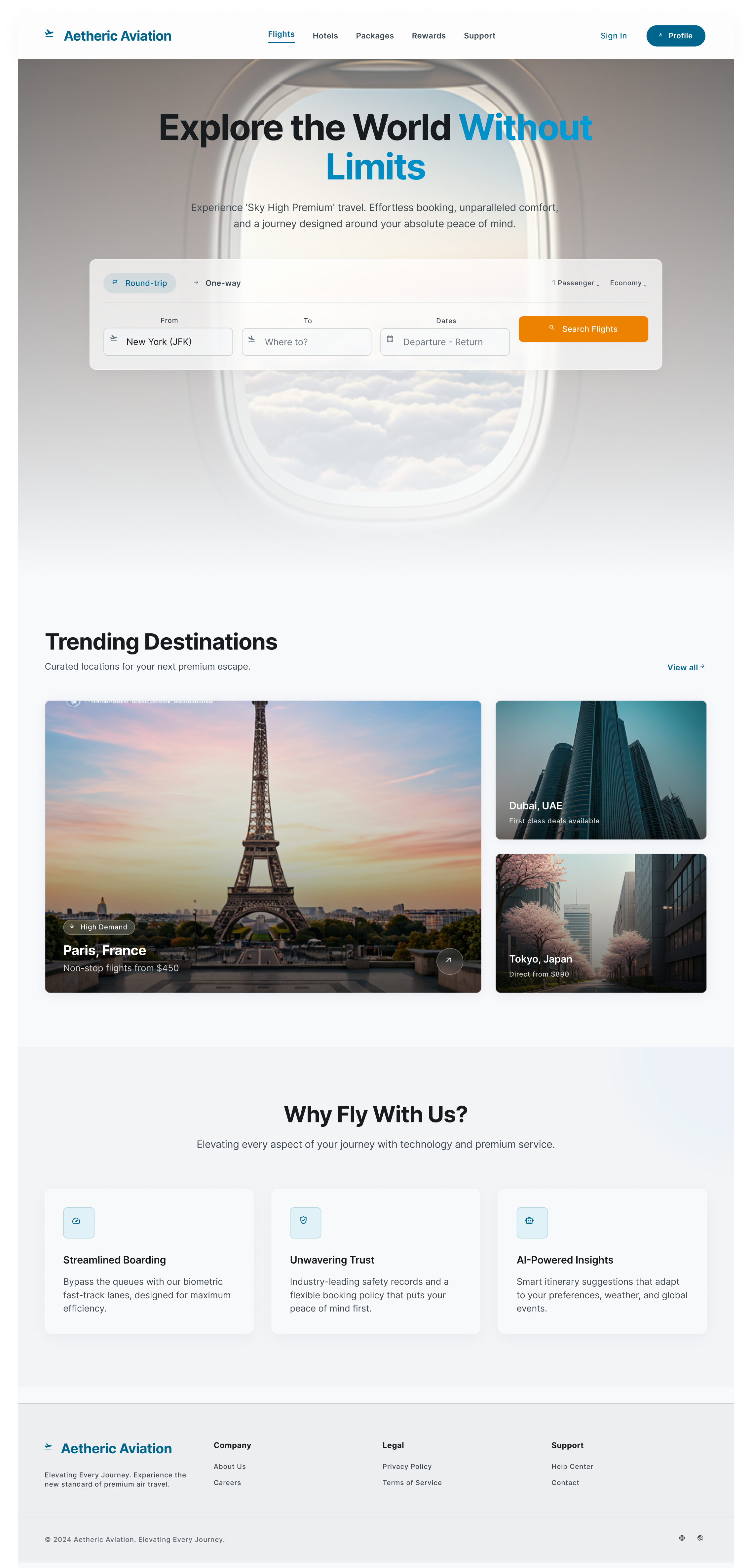
Crafting the visual elements of the interface, including color schemes, typography, and imagery.
Ensuring a consistent and visually appealing design that aligns with the brand.
Interaction Design:
Defining how users interact with the interface, including animations, transitions, and microinteractions.
Ensuring a seamless and intuitive user experience.
Usability Testing:
Conducting usability tests with real users to identify any issues and gather feedback for further improvements.
Iterating on the design based on user testing results.
Responsive Design:
Ensuring the design is responsive and compatible with various devices and screen sizes.
Adapting the layout and interactions for optimal user experience on different platforms.
Accessibility:
Incorporating accessibility features to ensure the product is usable by people with disabilities.
Following accessibility standards and guidelines.
Collaboration with Development Teams:
Working closely with developers to ensure the design is implemented accurately.
Providing design assets and documentation to facilitate the development process.
Continuous Improvement:
Staying updated on design trends, user behaviors, and technological advancements.
Iteratively improving the design based on user feedback and evolving project requirements.
Deliverables:
Providing a comprehensive design package including wireframes, prototypes, style guides, and design assets.